

Why Is My Radiator Cold? 7 Common Problems to Check
Is your radiator not heating up properly? As the weather starts to cool and we begin using our central heating again, this is a common problem to discover. One radiator may stay cold while the rest of your home heats up normally.
Maybe your radiator is hot at the top but cold at the bottom. You may have even bled it already, but it still won’t heat up.
A cold radiator doesn’t always mean there’s a major problem with your boiler. There are several possible causes. Where the radiator feels cold can also give us a useful clue.
Here are seven common radiator problems. We’ll explain what they can mean, what you can safely check yourself and when to call a heating engineer.
1. Radiator cold at the top
Is your radiator warm at the bottom but cold at the top? Trapped air is a common cause.
Air can collect inside a radiator. This stops hot water from reaching the whole panel. You may also hear bubbling or gurgling sounds when your heating is on.
Bleeding the radiator can release this trapped air.
First, switch your heating off and let the system cool down. Carefully open the bleed valve with a radiator key. You should hear air escaping. Once water starts to appear, close the valve again.
If you have a sealed heating system, check your boiler pressure afterwards. Bleeding a radiator can cause the pressure to drop.
Do you keep having to bleed the same radiator? If so, there may be another problem that needs checking.
2. Radiator cold at the bottom
Is your radiator hot at the top but cold across the bottom? This can point to a different problem.
Sludge and debris can build up inside a heating system over time. It can then settle at the bottom of your radiators. This may stop hot water from flowing through them properly.
Common signs can include:
- Cold areas across the bottom of a radiator
- Radiators taking a long time to get hot
- Some rooms staying colder than others
- Dirty or discoloured water when bleeding a radiator
- Several radiators heating unevenly
The right solution will depend on the condition of your heating system.
Sometimes one radiator can be removed and cleaned. If sludge is found throughout the system, further cleaning may be needed. In some cases, a power flush may be suitable.
Not sure what that involves? Read our guide explaining what power flushing is and when your heating system might need it.
One cold radiator does not automatically mean you need a power flush. It’s important to find the cause of the problem first.
3. One radiator is completely cold
Are all your other radiators working normally? If only one radiator is cold, start by checking the radiator itself.
First, check that both radiator valves are open.
If you have a thermostatic radiator valve (TRV), check its setting too. Make sure it hasn’t been left on its lowest or frost setting.
A TRV can sometimes stick after being left in one position for a long time. This is quite common after the heating has been off during the warmer months.
If the valve is open but the radiator is still cold, the valve may need to be checked.
Don’t force a valve that appears to be stuck. You could damage it and cause a leak.
4. Radiator still cold after bleeding
You’ve bled the radiator, but it’s still cold. What next?
This can mean that trapped air wasn’t causing the problem.
Other possible causes include:
- A stuck or faulty TRV
- A closed lockshield valve
- Poor water flow
- A heating system that needs balancing
- Sludge or debris inside the radiator
- Low boiler pressure
- Another central heating fault
There’s little benefit in bleeding the radiator again and again if no air is coming out.
Instead, the next step is to find out why hot water isn’t flowing through the radiator properly.
5. Several radiators aren’t getting hot
If several radiators are cold, the problem may not be with the radiators themselves.
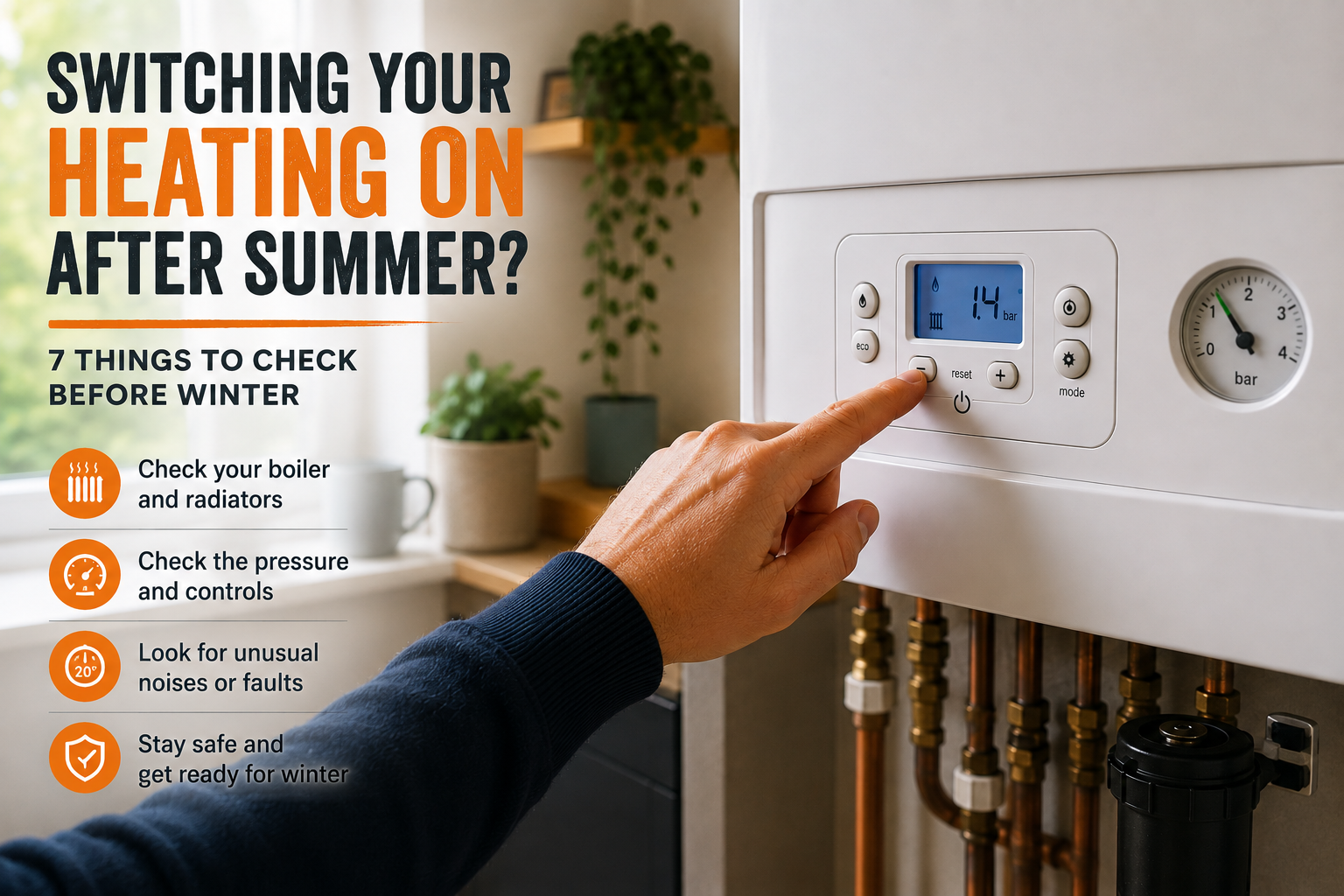
Start by checking your boiler. Is it running when the thermostat is asking for heat?
If you have a sealed heating system, check the boiler pressure too.
Many domestic heating systems will sit at around 1 to 1.5 bar when cold. However, this can vary between boilers. Always check the instructions for your own boiler.
If the pressure is too low, your heating may not work correctly.
There are other possible causes too. These include problems with heating controls, pumps, motorised valves or water flow. Sludge within the system can also cause problems.
If the boiler is running but heat isn’t moving around your home properly, it’s worth getting the system checked.
Is your boiler due a service as well? Read our guide on why servicing your boiler before autumn is a good idea.
6. Some radiators get much hotter than others
Do some radiators get hot very quickly while others stay cool?
Your heating system may need balancing.
Balancing helps control how hot water flows around your heating system. The aim is to give each radiator the right amount of flow.
This is not the same as bleeding your radiators.
Bleeding removes trapped air. Balancing adjusts the flow of water around your heating system.
A poorly balanced system can make some rooms very warm while others stay cold. Radiators further away from the boiler may also take much longer to heat up.
7. The same radiator problem keeps coming back
Bleeding a radiator or adjusting a valve may get your heating working again. But what if the same problem keeps coming back?
It’s worth finding out why.
You shouldn’t need to keep bleeding the same radiator. Your boiler shouldn’t keep losing pressure either.
If either of these things keeps happening, there may be an underlying fault.
Finding the cause can help stop a small problem from becoming a bigger one.
Does a cold radiator mean I need a power flush?
No, not necessarily.
A power flush can help clean a heating system that contains sludge and debris. It can also help in some cases where poor water flow is causing problems.
However, one cold radiator does not automatically mean you need a power flush.
The cause could be much simpler. For example, there may be trapped air or a faulty radiator valve.
The heating system should be checked before deciding what work is needed.
If several radiators have cold spots and heat up slowly, sludge may be part of the problem. Professional system cleaning may then be worth considering.
You can find out more in our guide: What Is Power Flushing?
When should you call a heating engineer?
If you have a radiator not heating up, there are a few simple checks you can safely make yourself. You can check your heating controls, radiator settings and boiler pressure. You can also bleed a radiator if you think it contains trapped air.
However, we’d recommend calling a heating engineer if:
- A radiator stays cold after bleeding
- Several radiators aren’t heating properly
- Your radiators have cold spots that keep returning
- Your boiler keeps losing pressure
- The same radiator keeps filling with air
- A radiator valve isn’t working correctly
- You can see signs of a leak
- Your heating takes a long time to warm up
- Your heating system is making unusual noises
- You keep having problems with water flow around the system
If you’re unsure what’s causing the problem, it’s often better to have it checked. This can save you from trying the same temporary fix again and again.
Radiator and central heating repairs across East London & Essex
At 24/7 Trades Ltd, we diagnose and repair central heating problems throughout Ilford, Redbridge, Hainault and surrounding areas across East London and Essex.
Our heating engineers regularly work in areas including Woodford, South Woodford, Chingford, Walthamstow, Wanstead, Chigwell, Buckhurst Hill, Loughton and Epping, as well as many surrounding locations.
Maybe you have one radiator that won’t get hot. Perhaps you have a faulty radiator valve or a problem with your heating controls. You may have poor water flow around the whole system.
Whatever the problem, we can investigate the cause and recommend the right solution.
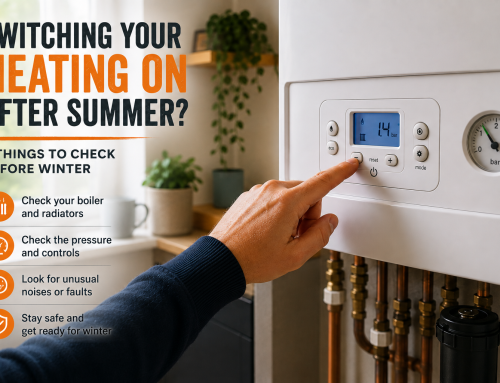
Have you only just noticed the problem after turning your heating back on? Read our guide to switching your heating back on after summer for more useful checks.
Heating not working as it should?
Got a cold radiator or a heating system that isn’t working properly?
Get in touch with 24/7 Trades Ltd. We can arrange for one of our heating engineers to investigate the problem.
Frequently Asked Questions
Why is my radiator cold but the pipes are hot?
If the pipes are hot but the radiator is cold, water may not be flowing through it properly. There could be a problem with a radiator valve. Sludge or debris may also be restricting the flow.
Why is my radiator cold at the bottom?
Sludge and debris can collect at the bottom of a radiator. This can stop hot water from flowing through it properly. If several radiators have the same problem, the heating system may need to be checked.
Why is my radiator cold at the top?
Trapped air is a common cause of a radiator being cold at the top. Bleeding the radiator may solve the problem. If you have a sealed system, remember to check your boiler pressure afterwards.
Why is only one radiator not heating up?
First, check that both radiator valves are open. A stuck TRV, trapped air or a blockage can also stop one radiator from getting hot.
Why is my radiator still cold after bleeding it?
If you’ve bled the radiator and it’s still cold, trapped air may not be the cause. The problem could be a radiator valve, poor water flow, low boiler pressure or sludge within the radiator.
Can a faulty TRV stop a radiator getting hot?
Yes. A faulty or stuck TRV can stop hot water from flowing through the radiator. TRVs can sometimes stick after the heating has been off for a long time.
Does a cold radiator mean I need a power flush?
No. There are several reasons why a radiator may stay cold. These include trapped air, a faulty valve and poor water flow. A heating system should be checked before deciding if a power flush is needed.
When should I call a heating engineer about a cold radiator?
Call a heating engineer if simple checks don’t solve the problem or the fault keeps coming back. You should also get help if several radiators are affected or your boiler keeps losing pressure.